A long weekend at a BC campsite or a day on the water chasing salmon lives or dies on what's in the cooler. Dry ice cooler camping trips work well once you know the numbers: how much to buy, how to layer it with regular ice, and how to handle the drive out of town. Get those right and your food stays frozen solid through a three-day trip without a generator or a powered cooler in sight.
How much dry ice do you need for a camping cooler?
A good cooler with the lid on but not latched loses 5 to 10 lb of dry ice every 24 hours. A three-day trip works out to roughly 15 to 30 lb, depending on the cooler and the weather. Add a bit of margin for hot days, a lot of lid-opening, or a cooler that is not well insulated.
That range is wide because coolers vary so much. A thick-walled, well-sealed cooler sits at the low end. An older cooler, a soft-sided bag, or one that gets opened every time someone wants a drink will eat through dry ice faster. If you are packing for a group and the cooler will be opened a dozen times a day, plan for the higher number and buy a bit more than you think you need. It is easier to come home with dry ice left over than to run short two days into a fishing trip.
Frozen food on top, drinks on the side
Cold air sinks, so dry ice goes on top of what you are trying to keep frozen, not underneath. Wrap the food first, then lay the dry ice over it. A layer of cardboard or a folded towel between the dry ice and the food stops the dry ice from freezer-burning anything it touches directly. Dry ice should never sit against the bare walls of the cooler either: keep it clear of plastic or metal surfaces with a layer of newspaper or cardboard.
If you want some items frozen solid (meat, fish you plan to bring home, pre-made meals) and others just cold (drinks, condiments, produce), split the cooler into zones. Keep the dry ice and the frozen items together at the top or at one end, and put a layer of regular ice between the dry ice and the drinks. The regular ice buffers the temperature so your pop and beer stay cold without freezing solid and cracking cans, while the dry ice does the harder job of keeping meat and fish well below freezing for days.
For background on how dry ice compares across different jobs, from fog to shipping to freezer backup, the rundown on common dry ice uses covers the basics worth knowing before your first trip.
Pack it tight and open it less
Air is the enemy here. Every gap in a cooler is space for warm air to sit and work against your ice. Fill empty space with crumpled paper or towels: it costs nothing and it slows the whole cooler down. A loosely packed cooler with lots of headroom loses cold faster than a tightly packed one, dry ice or not.
Keep the cooler in shade, not direct sun, and keep the lid closed between trips to the grab bag. Every time the lid comes off, you lose some of the cold air, and the cycle of building that cold back up starts over. If you are fishing from a boat or sitting at a campsite most of the day, designate a small secondary cooler or bag for drinks and snacks people reach for constantly, and leave the main cooler with frozen food alone except at mealtimes.
The lid stays on but never latched tight. Dry ice gives off carbon dioxide gas as it sublimates, and that gas needs somewhere to go. A cooler sealed airtight can build dangerous pressure as the gas has nowhere to escape. Leave the lid resting on top, clipped loosely if your cooler has clips, but not locked down hard.
What about the drive out?
Dry ice in a moving car needs a bit of thought. Where you can, put the cooler in the trunk or the bed of a truck rather than the passenger cabin. That keeps the carbon dioxide gas it gives off away from where people are breathing, since that gas can build up to dangerous levels in an enclosed, poorly ventilated vehicle.
If the cooler has to ride inside the cabin, for example in a loaded SUV with no separate trunk space, crack a window so outside air keeps moving through. Do not run with the windows up and the vents on recirculate for a long highway stretch. And never leave a cooler with dry ice in a parked, closed car, even for a quick stop at a gas station. A closed car heats up fast and gas builds up with nowhere to vent. Drive to where you are using it, and unload it when you get there.
For a full rundown on what makes dry ice safe and what does not, see our guide to handling dry ice safely, and the general dry ice safety page covers gloves, ventilation, and what to do if someone gets a burn.
Keep the cooler out of a closed tent
Once you get to the campsite, do not store a cooler with dry ice inside a closed tent overnight. Tents do not ventilate the way a truck bed or an open campsite does, and the same carbon dioxide buildup that matters in a parked car matters in a small enclosed tent. Leave the cooler outside, under a tarp or in the vestibule with the flap open, or in the vehicle with a window cracked. It is a small habit that avoids a real risk for very little extra effort.
Picking up dry ice on your way out of town
Delta sits right off Highway 91, close to the Alex Fraser Bridge, which makes it a practical stop if you are heading out of Metro Vancouver toward the Fraser Valley, the Sea to Sky corridor, or south toward the border. Swing by on your way out rather than days ahead: dry ice starts losing weight the moment it is made, so the closer your pickup time is to your departure, the more ice you actually have left when you need it.
We make dry ice to order at our plant at 2-730 Eaton Way in Delta, BC. Pickup runs Monday to Friday, 7 am to 4 pm, closed on BC statutory holidays. Same-day pickup works when your order is in stock and placed by 4:30 pm; otherwise order by 2 pm for pickup the next working day. If your trip starts on a Saturday, plan your pickup for the Friday before.
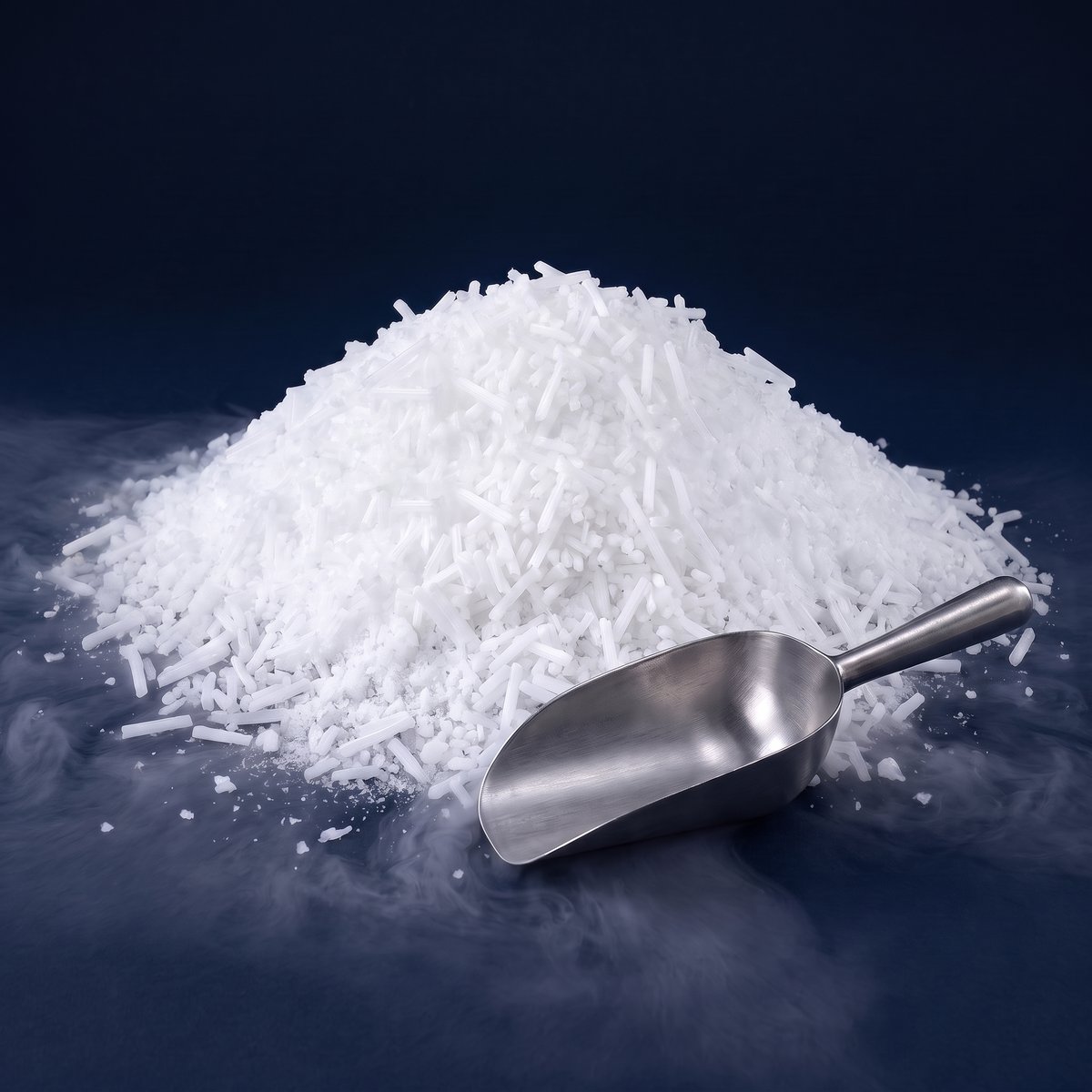
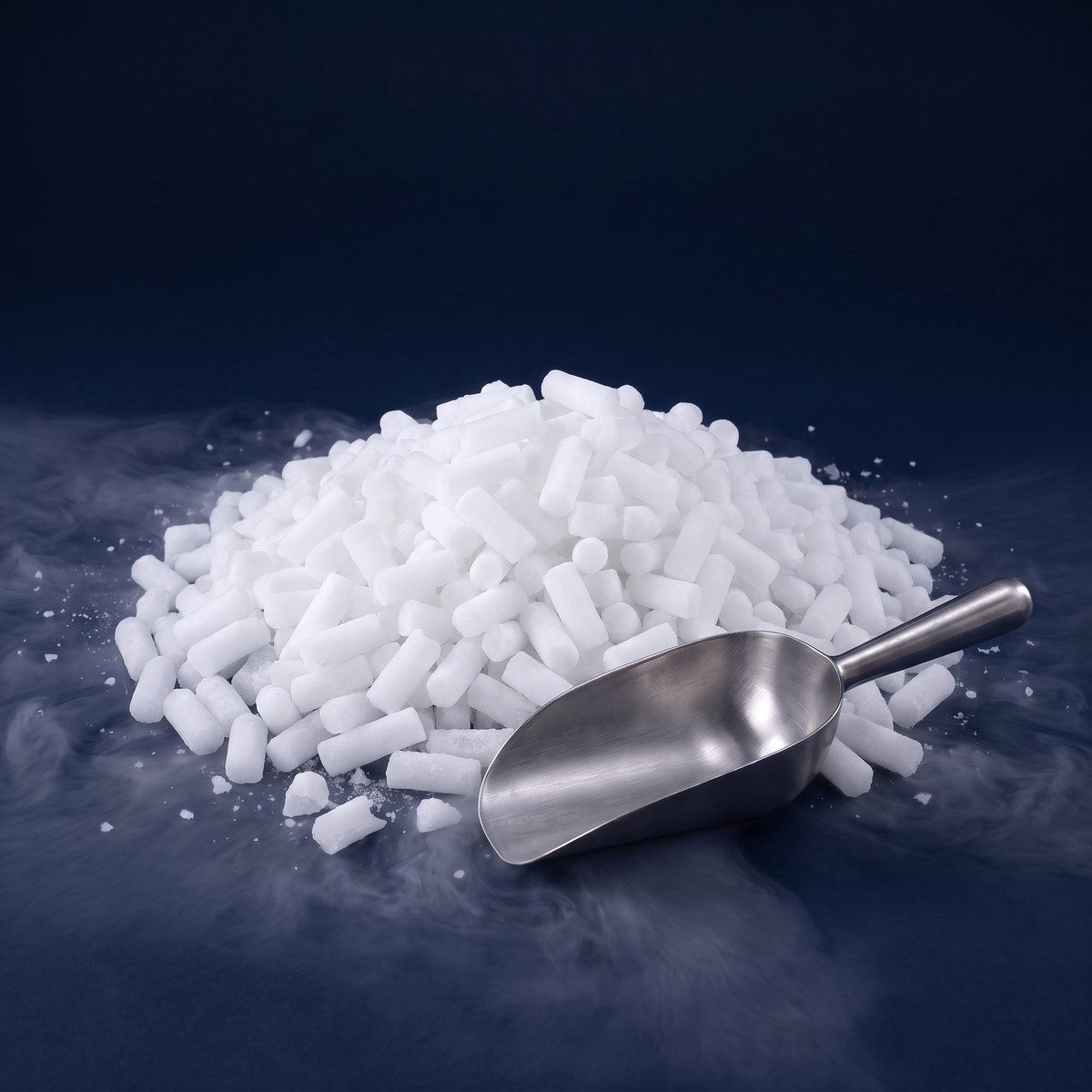
Pellets and nuggets are sold by the pound, so you can order exactly the amount your trip calls for. The 3 mm vs 16 mm comparison walks through the tradeoffs, but for a cooler trip, 16 mm dry ice nuggets are a solid pick since bigger pieces sublimate slower and last longer per pound, which matters over a three-day weekend away from a freezer.
How long will dry ice actually last in my cooler?
Figure on 5 to 10 lb per day disappearing even with the lid unlatched and sitting still. A one-day trip needs 5 to 10 lb, a three-day trip needs 15 to 30 lb. Hotter weather, a cooler that gets opened often, or a less insulated cooler pushes you toward the higher end of each range, so buy a bit more than the bare minimum if you are unsure.
If you want the fuller breakdown across coolers, cars, and freezers side by side, how long dry ice lasts has the numbers laid out together.
Order ahead for pickup or delivery, pack the cooler with dry ice on top and a buffer of regular ice near the drinks, fill the gaps, keep the lid unlatched, and keep it out of a closed car or tent. That covers most of what separates a cooler that is still frozen solid on day three from one that is a soggy mess by lunch on day two. Head to our shop to order your dry ice before your next camping or fishing trip.
Frequently asked questions
How much dry ice do I need for a 3-day camping trip?
Plan for 15 to 30 lb for a three-day trip. A good cooler with the lid on but not latched loses 5 to 10 lb of dry ice per 24 hours, so multiply that by your number of days and add some margin if the weather is hot or the cooler gets opened a lot.
Should dry ice go on top or underneath my food in a cooler?
Dry ice goes on top, because cold air sinks down through the cooler. Wrap frozen food first, lay the dry ice over it with a layer of cardboard or a towel in between, and if you want drinks cold rather than frozen, put a layer of regular ice between them and the dry ice.
Can I leave a cooler with dry ice in my car while I stop somewhere?
No. Never leave a cooler with dry ice in a parked, closed car, even briefly. The car heats up and the carbon dioxide gas dry ice gives off can build up to dangerous levels with nowhere to vent. Put the cooler in the trunk or truck bed where you can, crack a window if it rides inside, and drive straight to where you are using it.
Can I store my dry ice cooler inside my tent overnight?
No, keep a cooler with dry ice out of a closed tent. Tents do not ventilate well, and the carbon dioxide gas from sublimating dry ice can build up in a small enclosed space. Leave the cooler outside under a tarp, in an open vestibule, or in a vehicle with a window cracked.
Need dry ice? Order online and pick up at our plant in Delta, or have it delivered. Not sure how much? See how much dry ice you need.